
Uncategorized
Exploring the psychology behind casino gambling What drives players
The Thrill of Uncertainty
One of the core psychological aspects that drives players to casinos is the thrill associated with uncertainty. The unpredictability of outcomes creates an adrenaline rush that many find exhilarating. This psychological phenomenon, known as risk-taking, is inherently linked to the human desire for excitement. As players place bets, they often experience a mixture of hope and anxiety, which can heighten their overall enjoyment and commitment to the game. Additionally, many are drawn to platforms offering online gambling australia for the same rush.
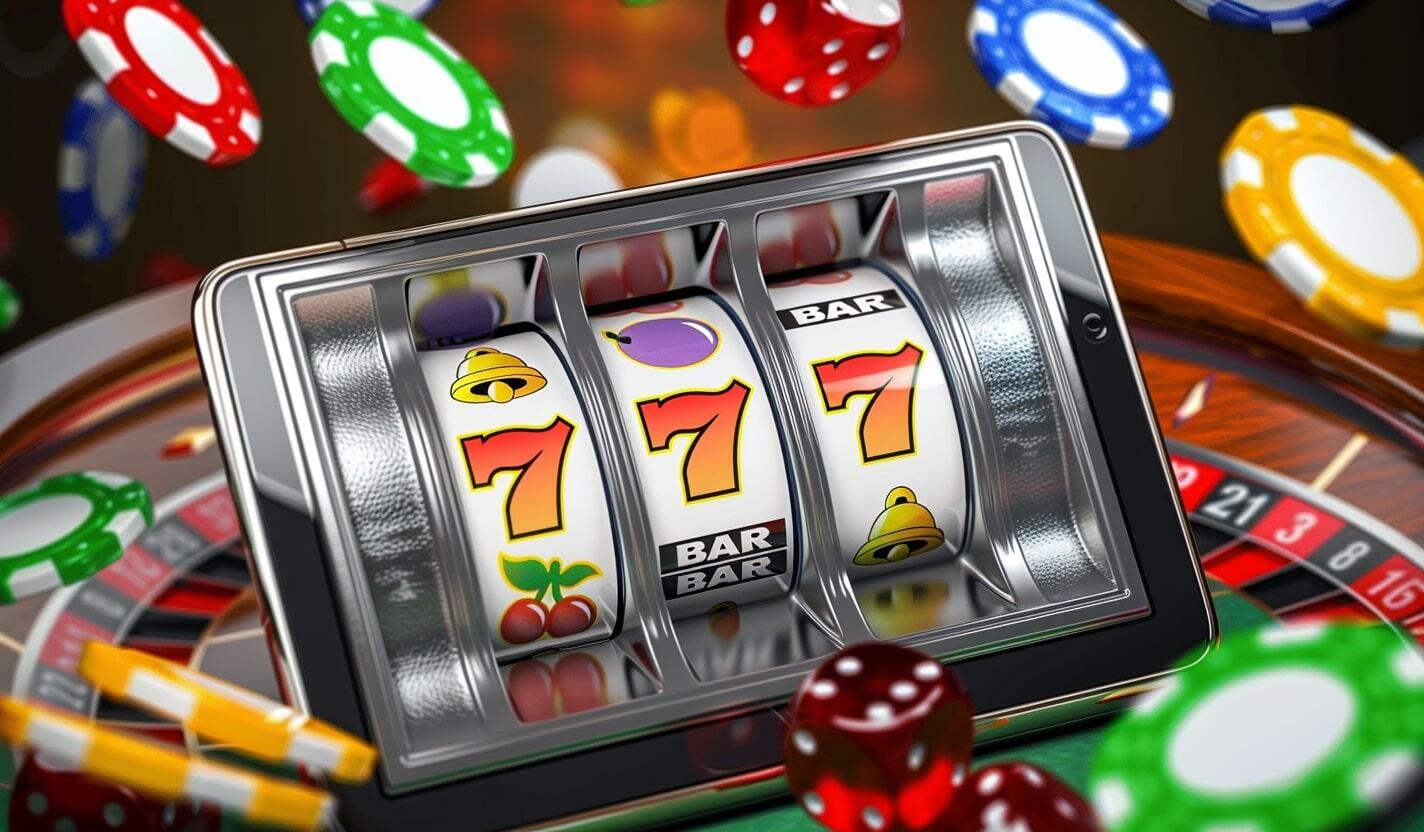
This thrill is not just about potential financial rewards; it’s also about the sensory experiences within the casino environment. The flashing lights, the sounds of coins clinking, and the atmosphere of suspense combine to create a perfect storm of stimulation. This sensory overload can lead to a state of euphoria, making it addictive for many individuals.
The Role of Reward Mechanisms
Cognitive psychology provides insight into why players return to casinos time and again: the promise of rewards. Casinos employ advanced techniques to manipulate reward systems, often designed to trigger dopamine releases in the brain. When players win, even in small amounts, they experience a rush of pleasure that reinforces their behavior, encouraging them to keep playing despite potential losses.
This reinforcement is further amplified by near-miss results, where players come extremely close to winning but ultimately lose. These occurrences can be particularly deceptive, leading players to believe that success is just around the corner and motivating them to continue risking their money.
Social Aspects of Gambling
The social environment of a casino also plays a significant role in attracting players. Many individuals are drawn to the communal experience of gambling, where they can interact with others while engaging in their favorite games. This social interaction can create a sense of camaraderie, making the gambling experience feel more enjoyable and less isolating.
Moreover, social influence and peer pressure can drive individuals to gamble. Observing friends or acquaintances enjoying the thrill of gambling can lead others to join in, fostering a culture that normalizes and encourages betting. This dynamic can be particularly potent in settings like poker tables or gaming tournaments, where players feed off one another’s energy.
Emotional Escape and Coping Mechanism
For some players, gambling serves as an emotional escape from everyday stresses and challenges. The immersive experience provided by casinos allows individuals to temporarily forget their problems and enter a different world, often filled with fantasies of wealth and success. This escapism can be comforting, especially during difficult life circumstances, leading individuals to seek solace in gambling.
However, this coping mechanism can quickly morph into a harmful dependency. As players increasingly rely on gambling to deal with their emotions, they may find themselves caught in a vicious cycle of chasing losses and seeking more significant thrills, ultimately leading to negative consequences in their lives.

Understanding the Impact of Australian Aid Initiatives
The relationship between gambling and psychological factors is also relevant within the context of social support systems, such as those provided by initiatives like Australian aid. Although primarily focused on humanitarian efforts, understanding the psychological underpinnings of gambling can aid in developing preventive measures and support strategies for problem gamblers. By fostering awareness, these initiatives can help mitigate the adverse effects of gambling addiction on individuals and communities.
Overall, exploring the psychology behind casino gambling allows us to understand the complex motivations driving players. With insights into the thrills of uncertainty, reward mechanisms, social dynamics, and emotional coping, we can better comprehend the allure of casinos and the implications for public health and community well-being.